Why Local Businesses in Small Towns Are Losing Calls (and Don’t Know It)
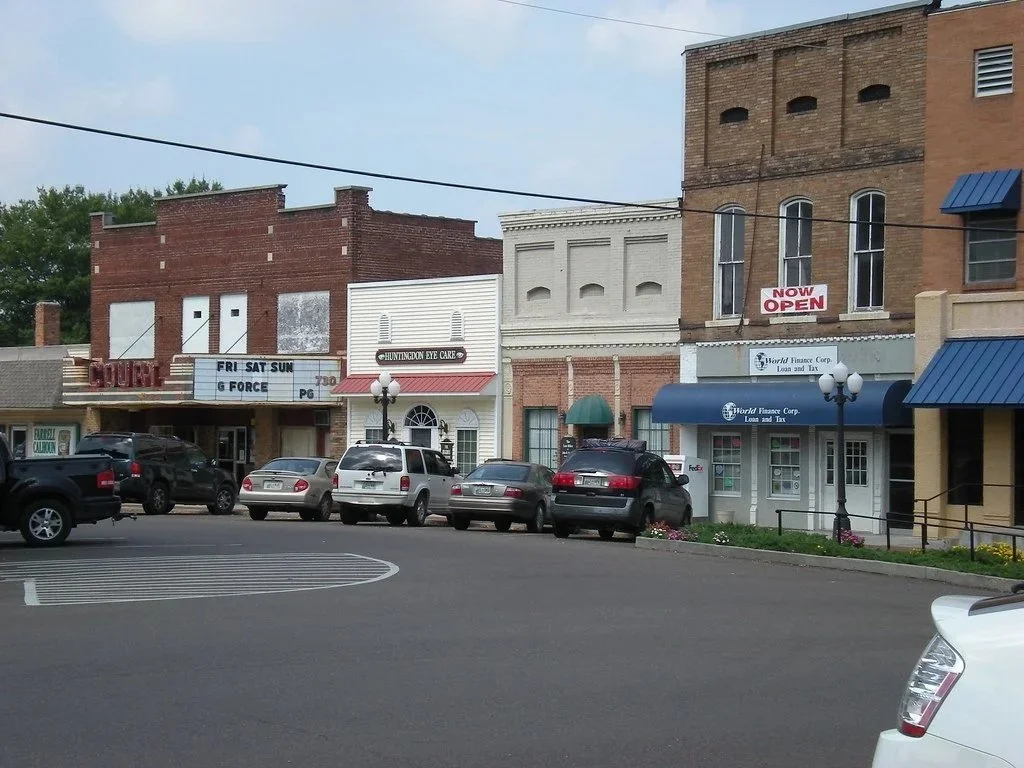
In most small towns, business owners don’t wake up to empty phones.
What they notice instead is subtler: fewer new calls, longer gaps between inquiries, or jobs that feel harder to replace once they’re finished.
In places like Huntingdon, McKenzie, Paris, Camden, and Milan, this often gets chalked up to the economy, the season, or “just how things go around here.”
But in many cases, something else is happening—quietly and consistently.
The Problem Isn’t a Lack of Work—It’s Missed Opportunities
Most small-town businesses are doing good work.
They’ve built real reputations. People know their names.
The issue isn’t quality or effort. It’s that fewer people are finding them when it matters most.
Calls rarely stop all at once. They taper.
And because referrals still come in, it’s easy to miss what’s changed.
What’s changed is how customers look for local businesses—even in small towns.
How Customers Actually Look for Local Businesses Now

Word of mouth still matters. In small towns, it always will.
But here’s the quiet shift we see again and again:
even when someone gets a recommendation, they still go to Google.
They search the business name.
They look at photos.
They skim reviews.
They check hours.
That search is no longer the start of the decision—it’s the confirmation step.
If your business doesn’t show up clearly, confidently, and consistently in that moment, the call often never happens.
Not because you weren’t recommended—but because you weren’t easy to verify.
Reputation Still Matters—But It Has to Be Visible
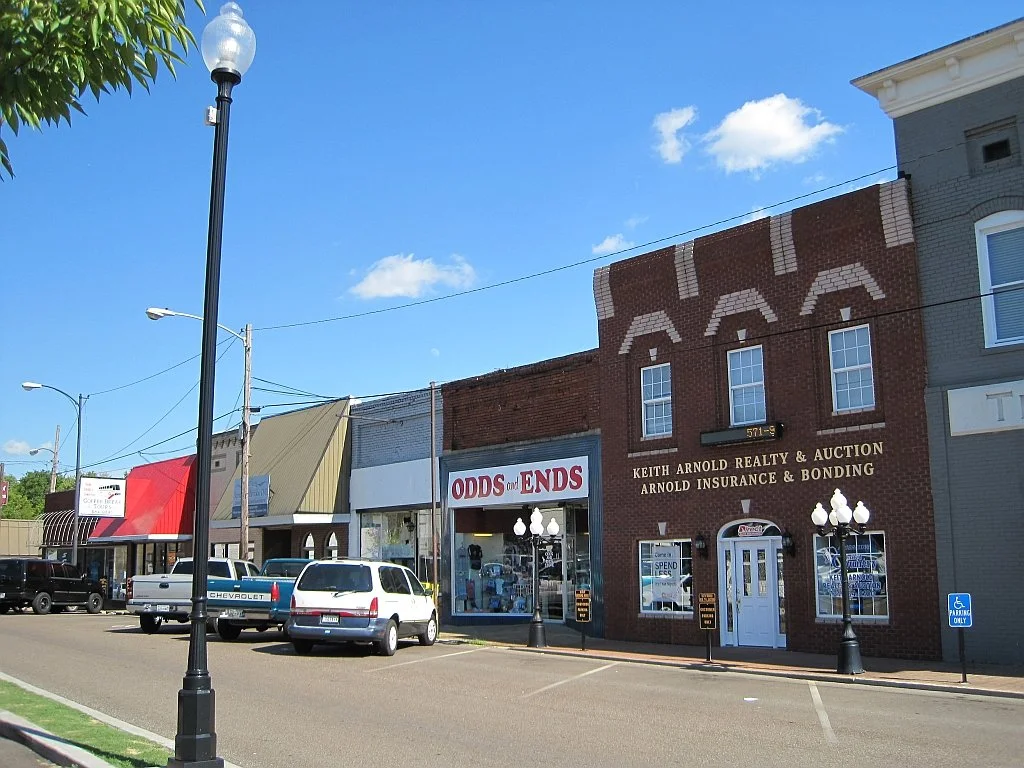
In communities across Carroll, Weakley, Henry, and Benton counties, reputation travels fast.
People talk. They remember who did good work—and who didn’t.
The challenge is that Google doesn’t hear conversations at the hardware store or church parking lot.
It only sees what’s documented:
Reviews
Photos
Accurate business information
Consistent activity
That digital footprint has become the public version of your reputation.
If it’s thin, outdated, or incomplete, Google can’t confidently put you in front of the next customer—even if you’re well known locally.
The Three Most Common Visibility Gaps We See in Small Towns
These aren’t mistakes. They’re understandable blind spots.
Underused Google Business Profiles
Many businesses technically have a Google listing—but it’s inactive.
Common signs:
Old photos (or none at all)
No posts
Reviews left unanswered
Services not clearly defined
In small towns, this alone can be the difference between getting the call or being skipped.
Websites That Exist—but Don’t Support Search
A website built once and left alone can quietly stop helping.
We often see:
No local language
No service clarity
No updates for years
The site exists—but it doesn’t reinforce trust when someone checks it.
Relying on Social Media Alone
Facebook works well for visibility among people who already know you.
It’s less effective for capturing people who are actively searching and ready to hire.
That search intent still lives on Google.
Social media builds familiarity.
Search captures demand.
Why This Hits Small Towns Harder Than Cities
In bigger markets, volume can mask inefficiencies.
In smaller towns, every missed opportunity matters more.
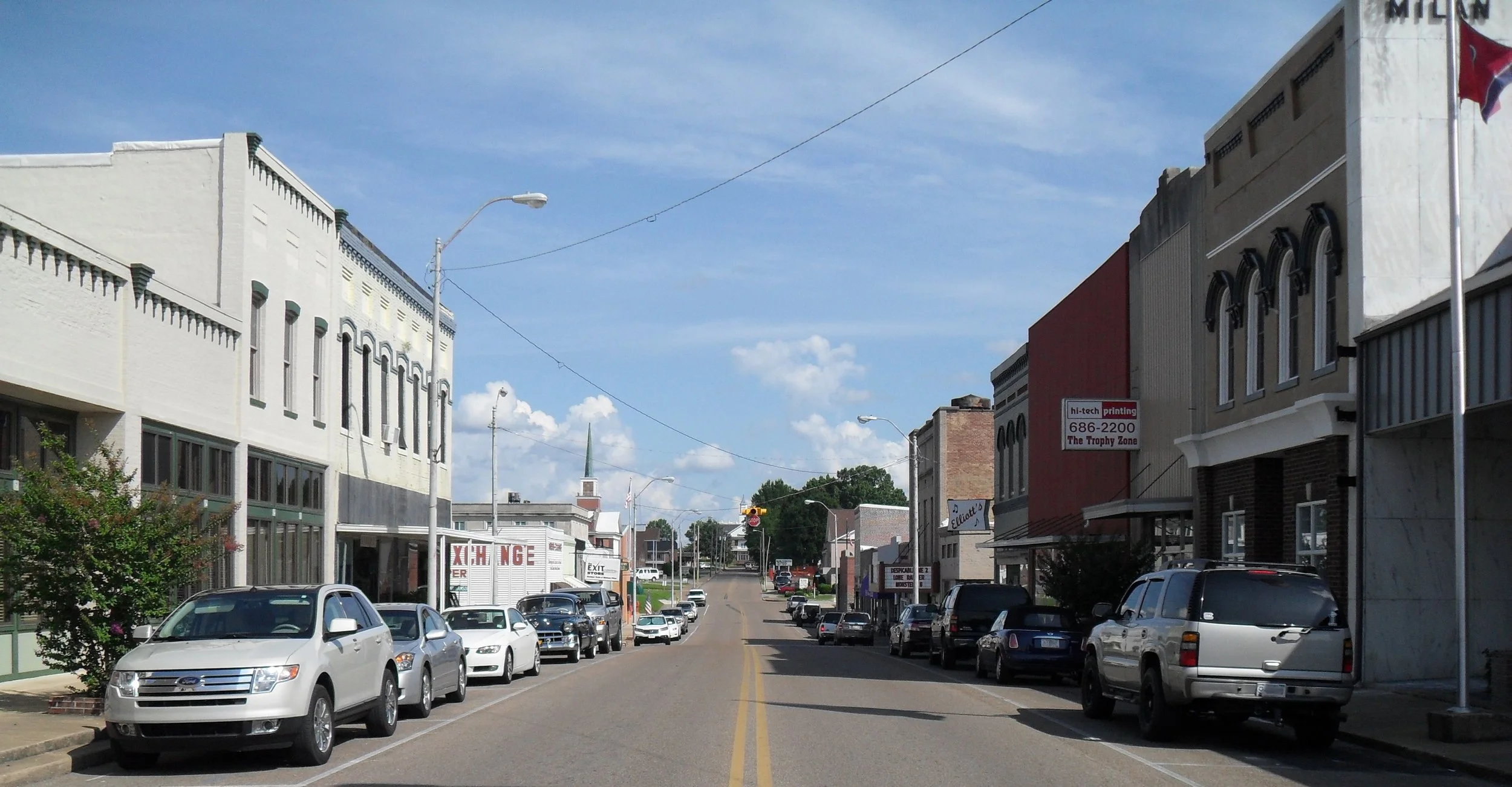
The upside is that competition is usually lighter.
In places like Camden or Paris, you don’t need to outspend anyone.
You just need to show up clearly and consistently.
One well-maintained digital presence can quietly dominate a local market—not because it’s flashy, but because it’s dependable.
What Actually Changes the Trend (Without Overcomplicating It)
This isn’t about chasing algorithms or trends.
What works is simple:
An accurate, active Google Business Profile
A website that reinforces trust and local relevance
Consistent information wherever your business appears online
Patience to let results compound
It’s not about gaming Google.
It’s about helping it understand your business well enough to recommend you.
A Quiet Closing Thought for Small-Town Business Owners
If calls feel slower than they used to be, it’s probably not your work.
In many cases, good businesses are losing opportunities simply because their digital presence hasn’t kept pace with how people search—even in small towns.
You don’t need louder marketing.
You need clearer visibility.
That idea is the foundation behind Hometown Impact. We work with businesses in towns where reputation still matters—and help make sure that reputation shows up when people search.
Not with hype.
Just with clarity, consistency, and steady improvement.